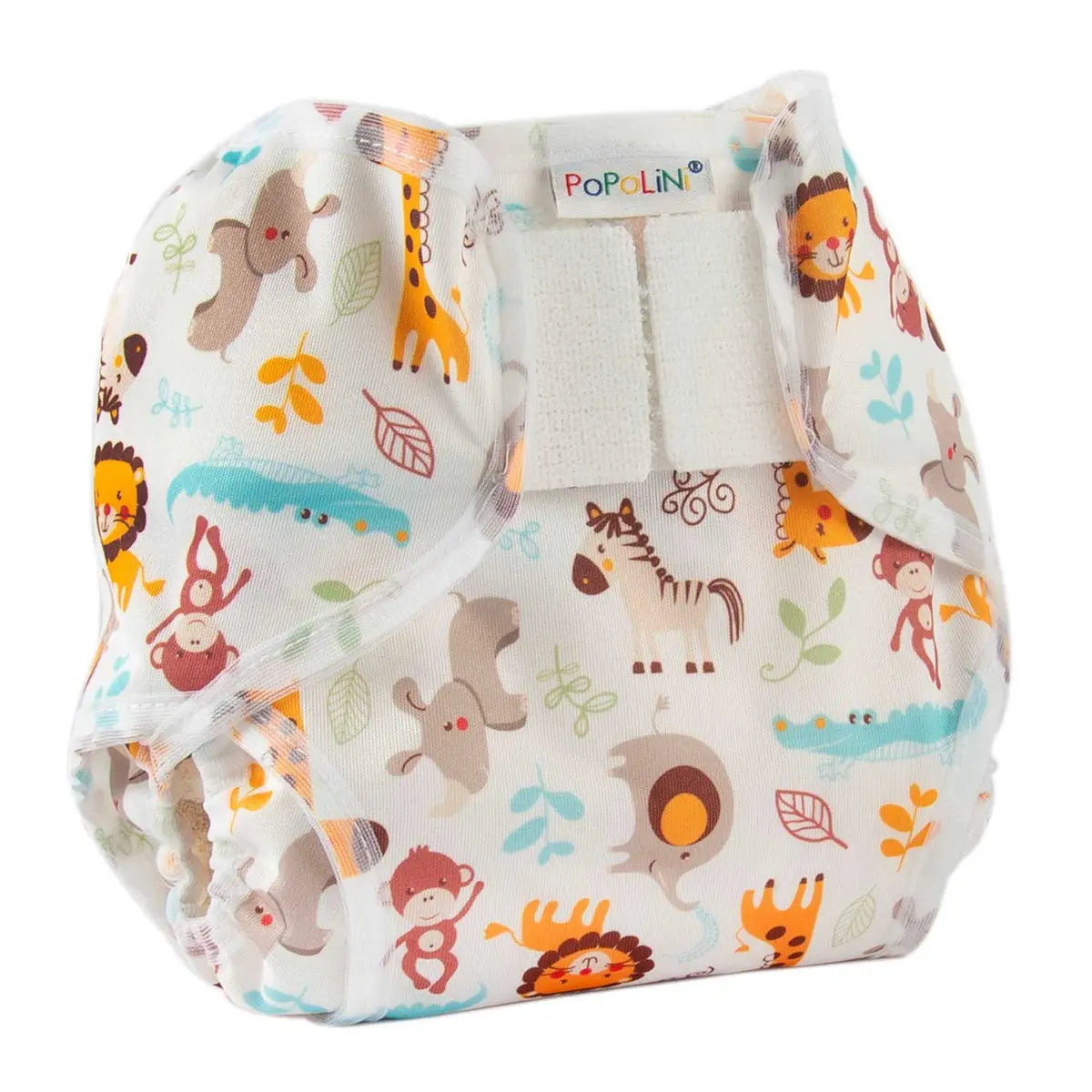
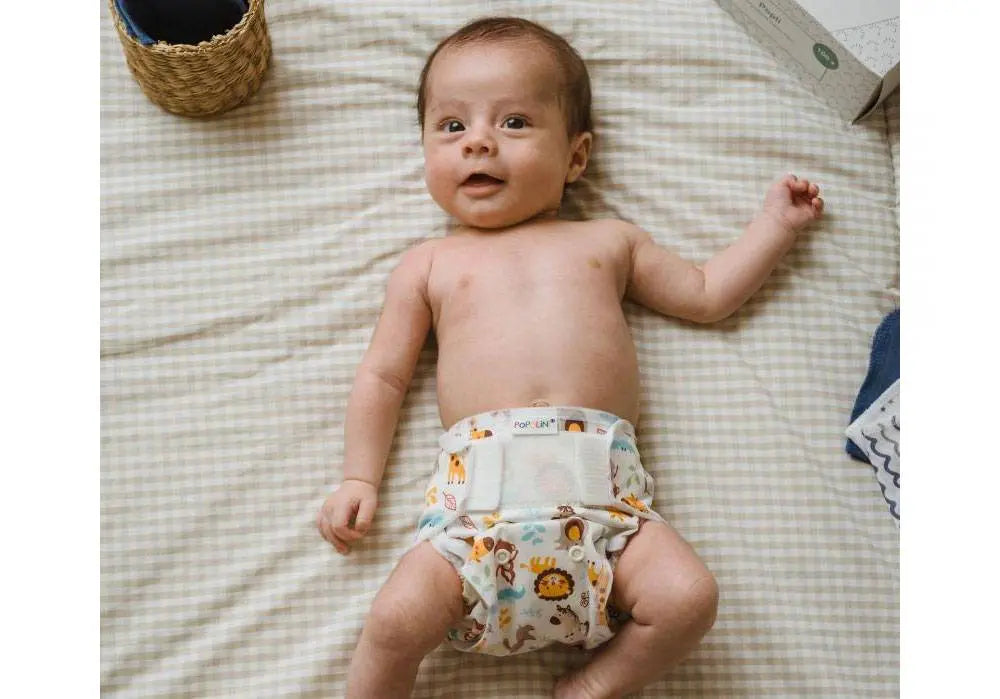
Diaper covers - How many to buy?
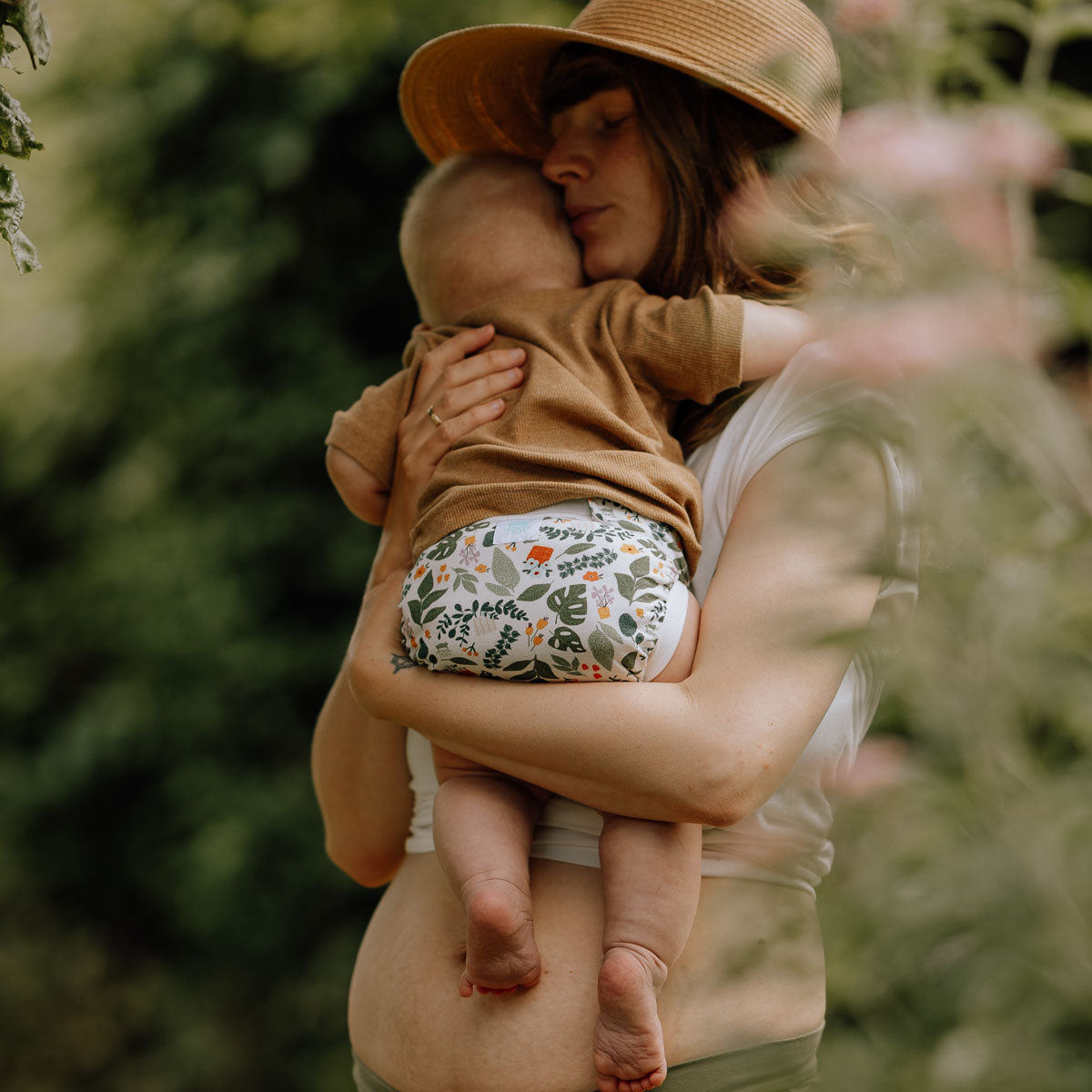
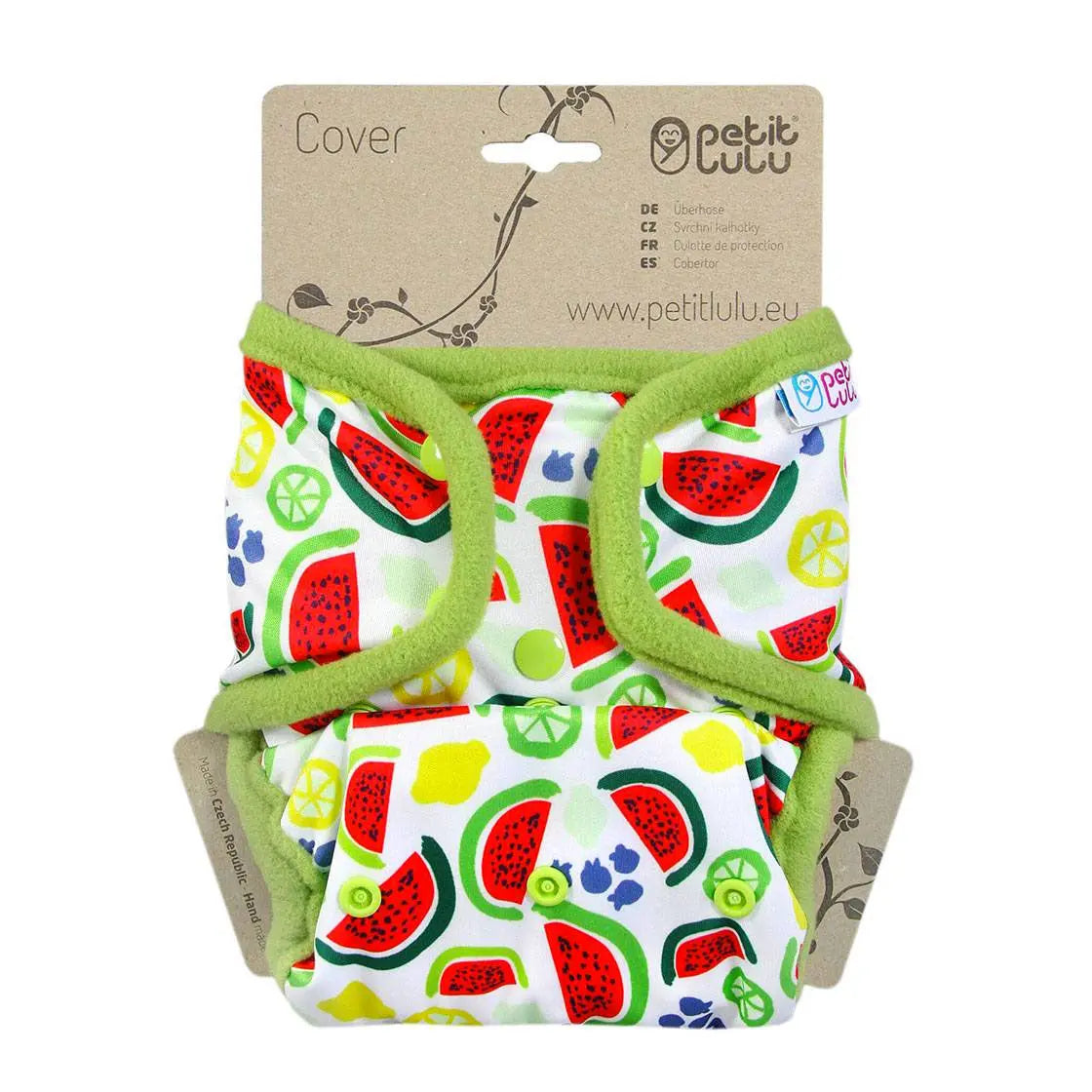
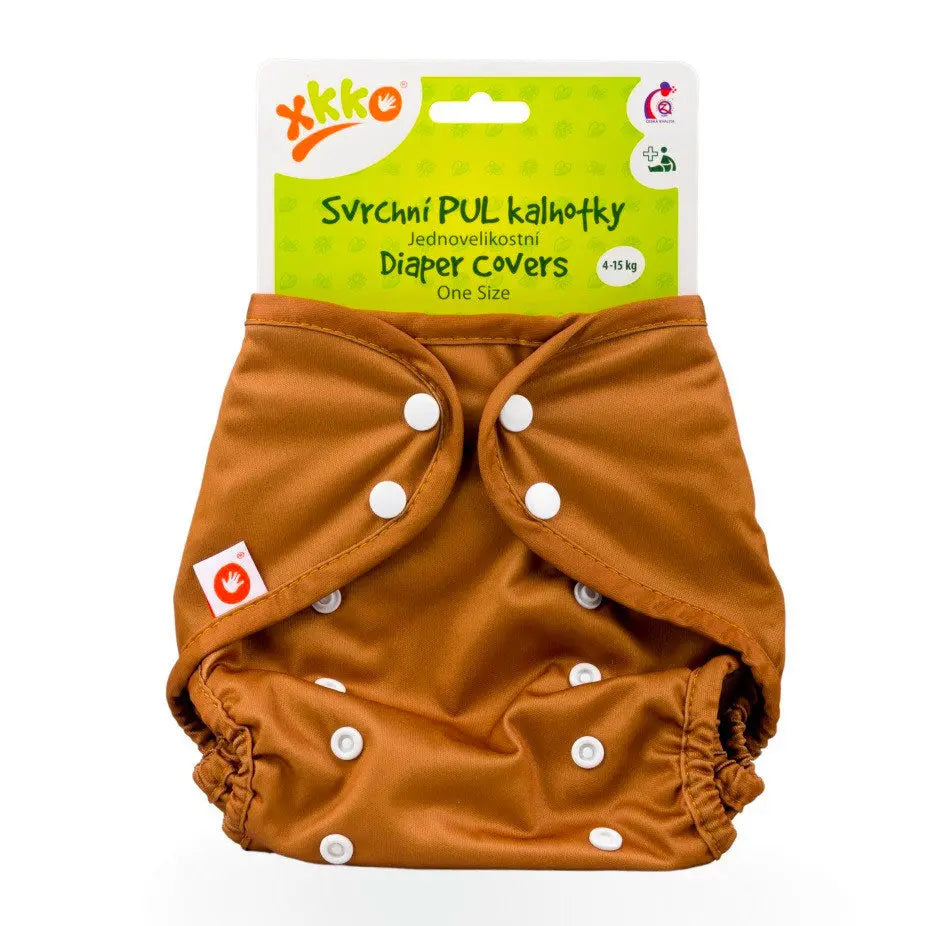
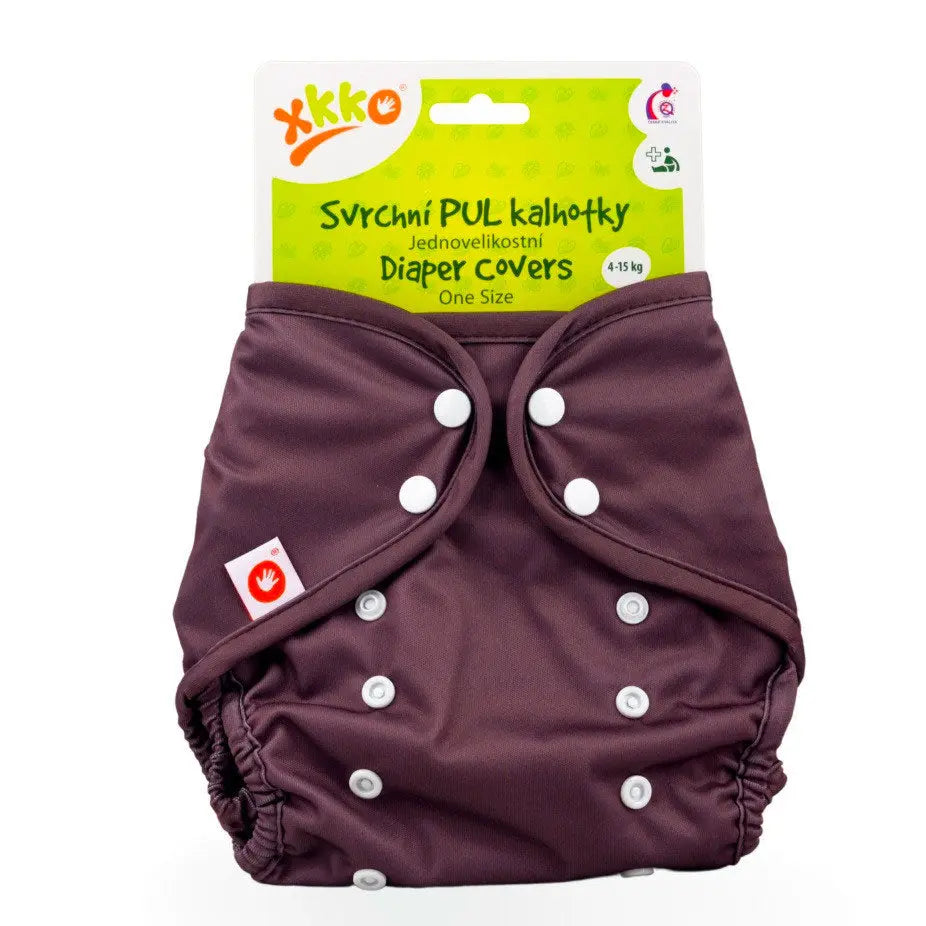
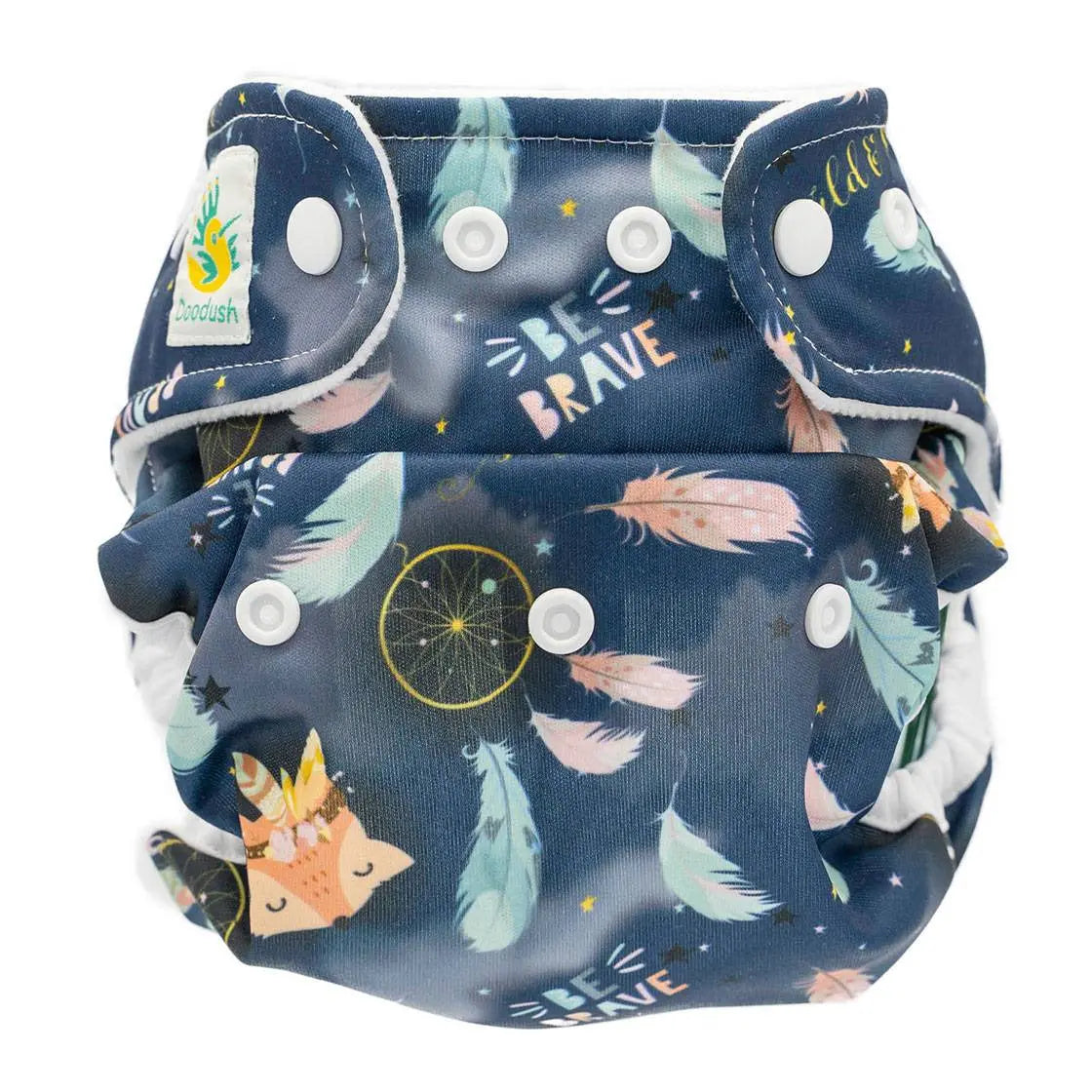
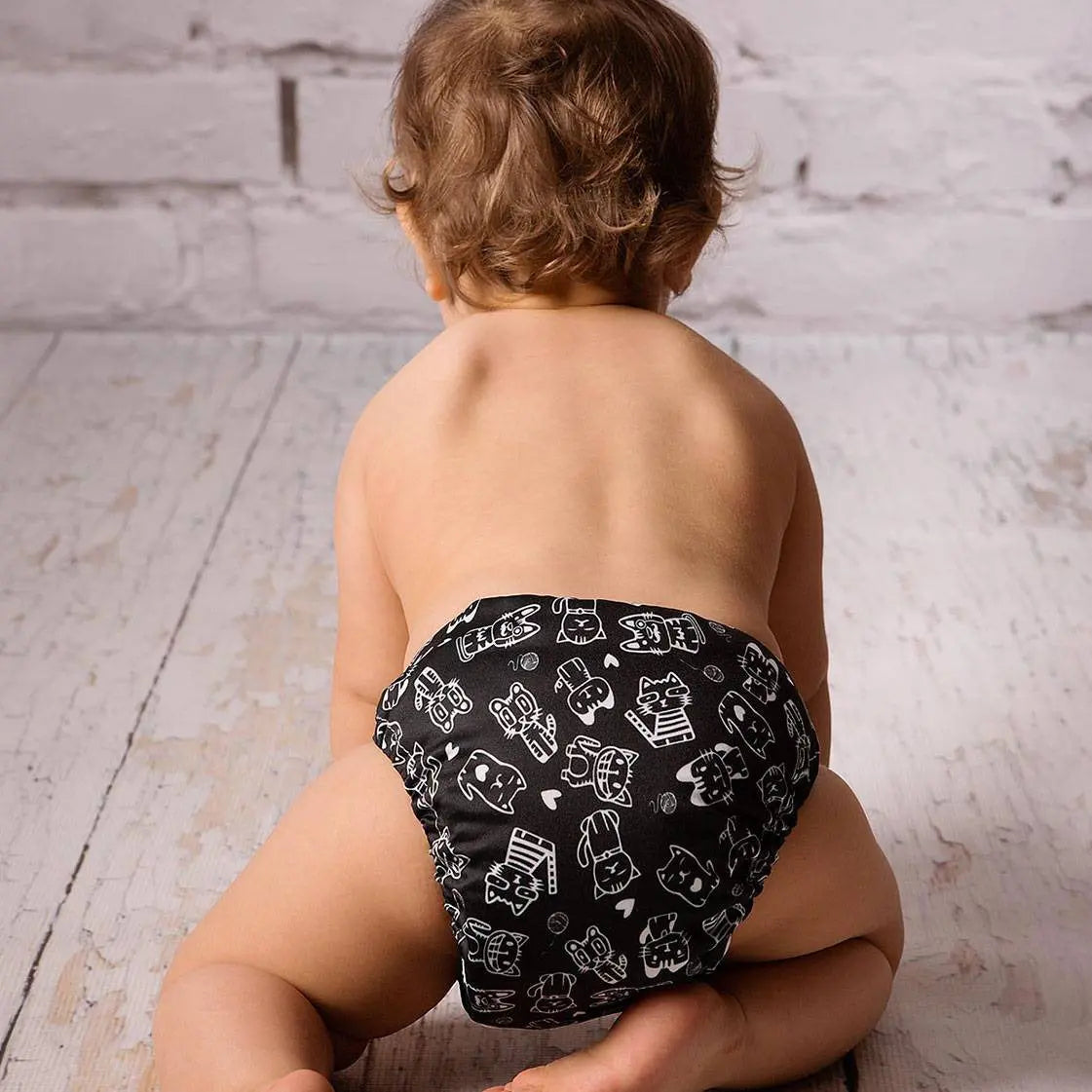
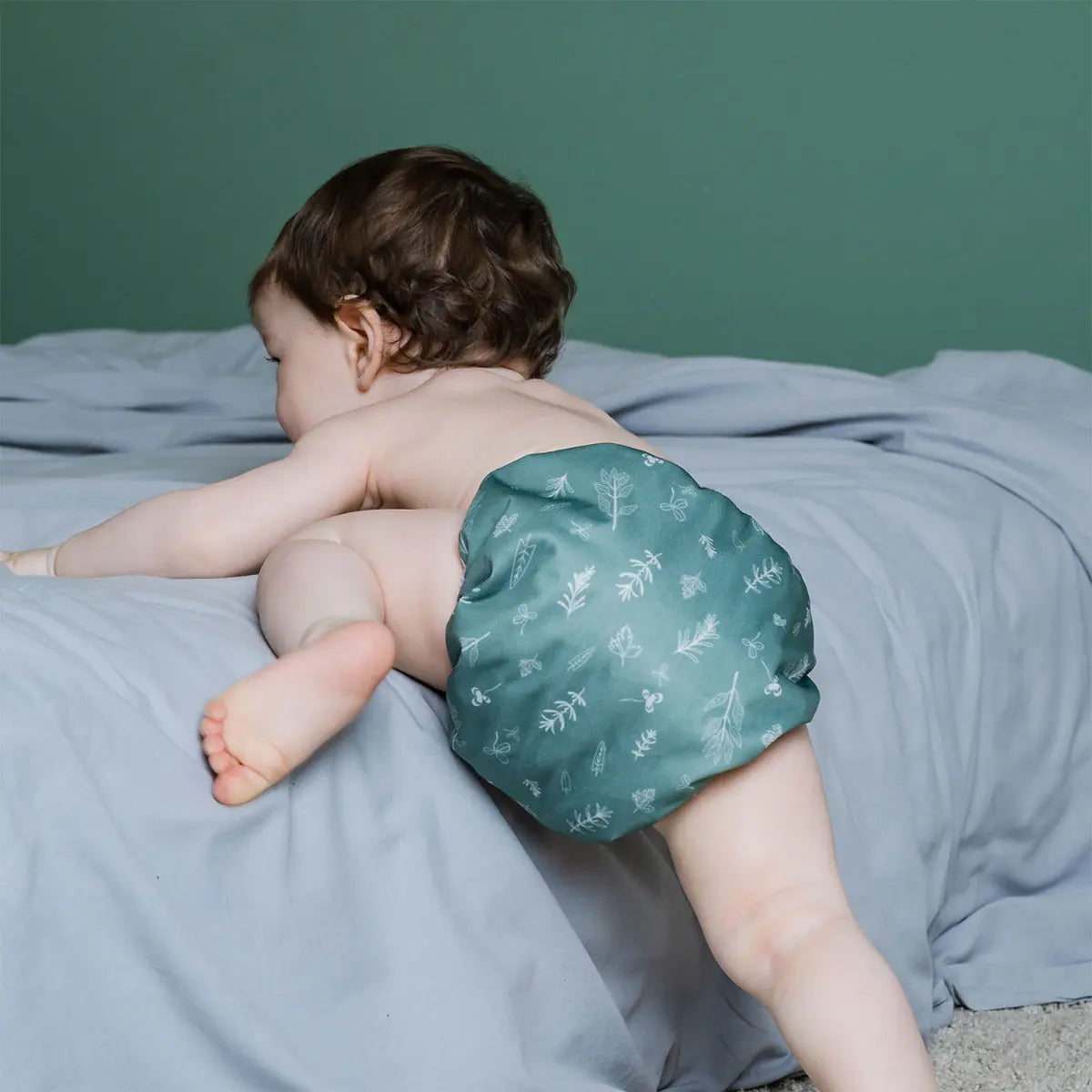
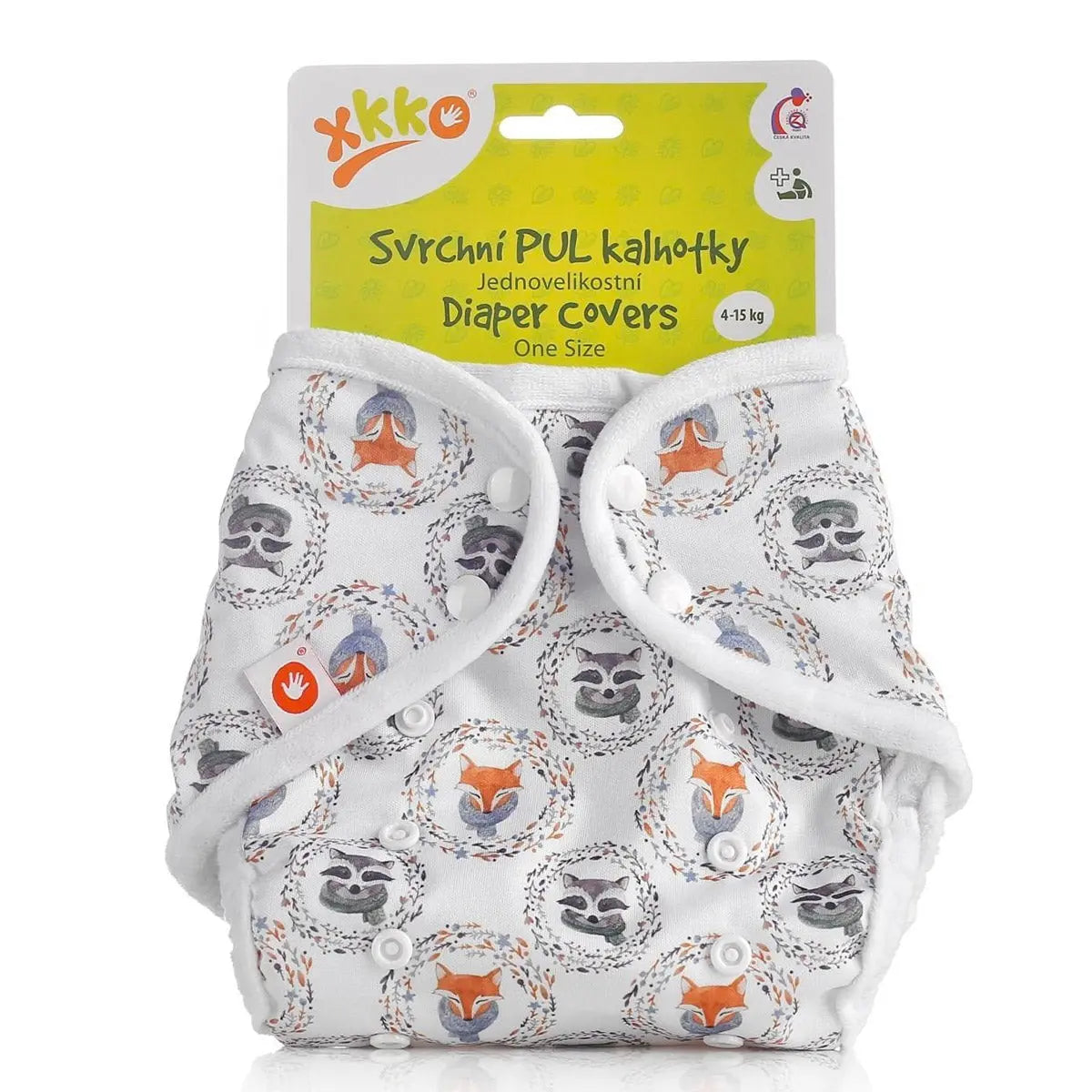
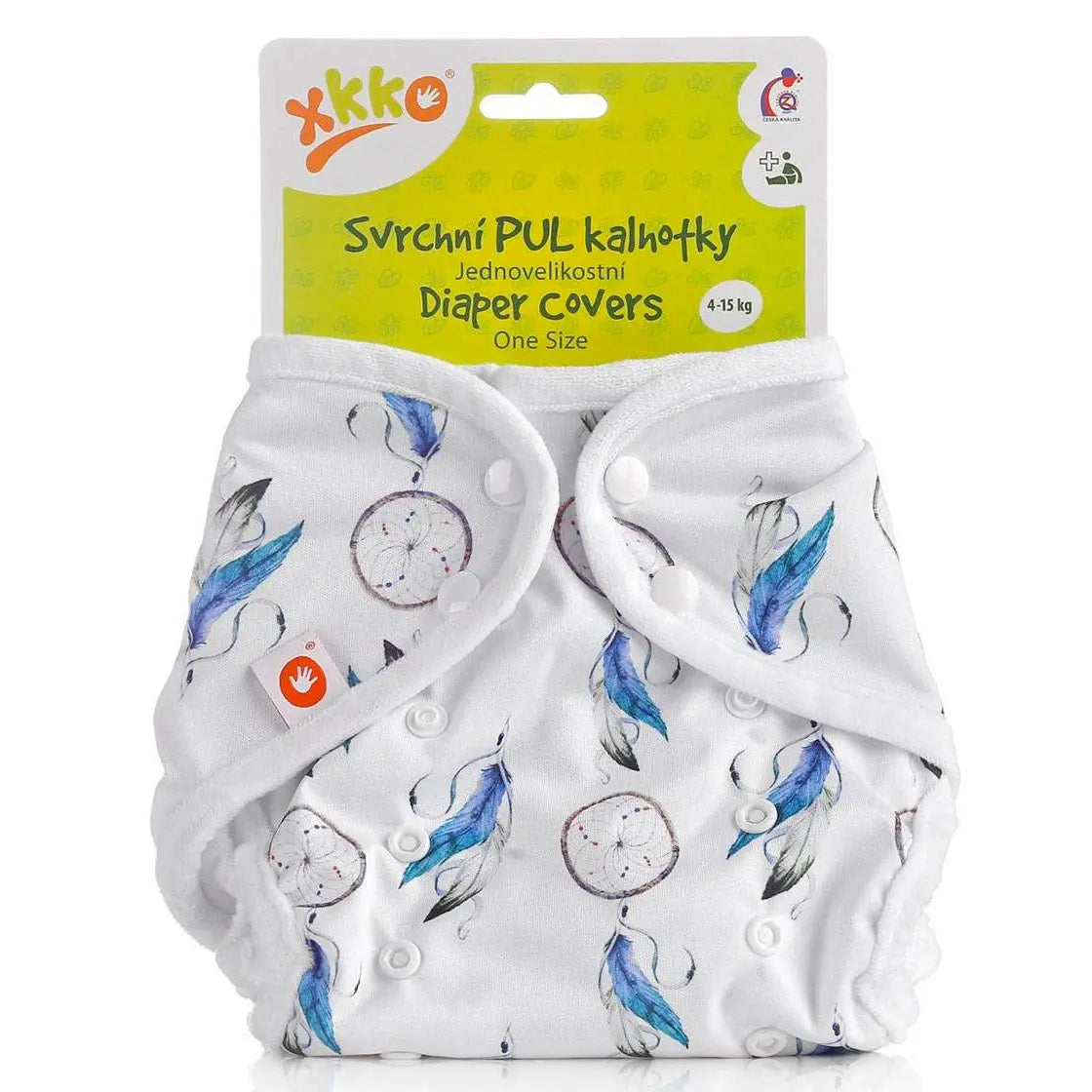
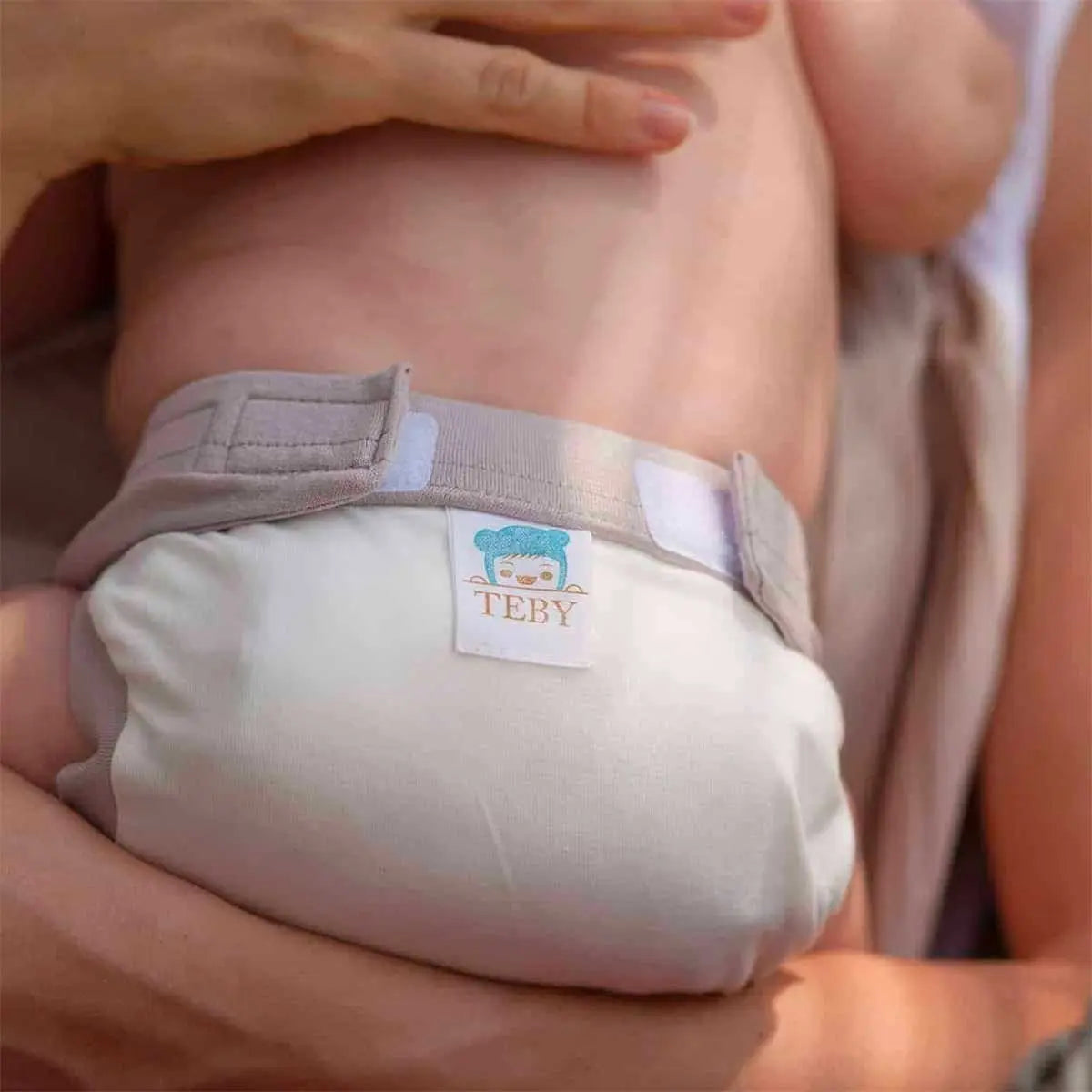
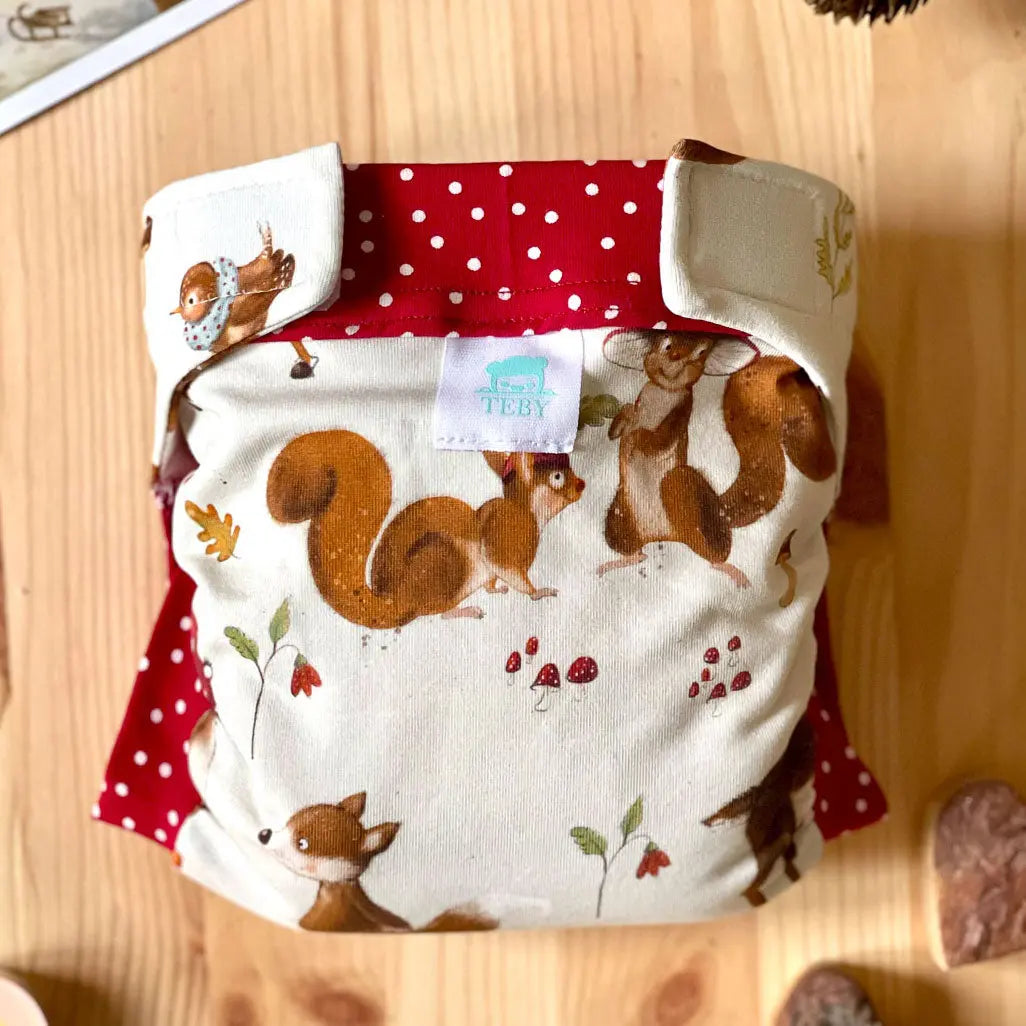
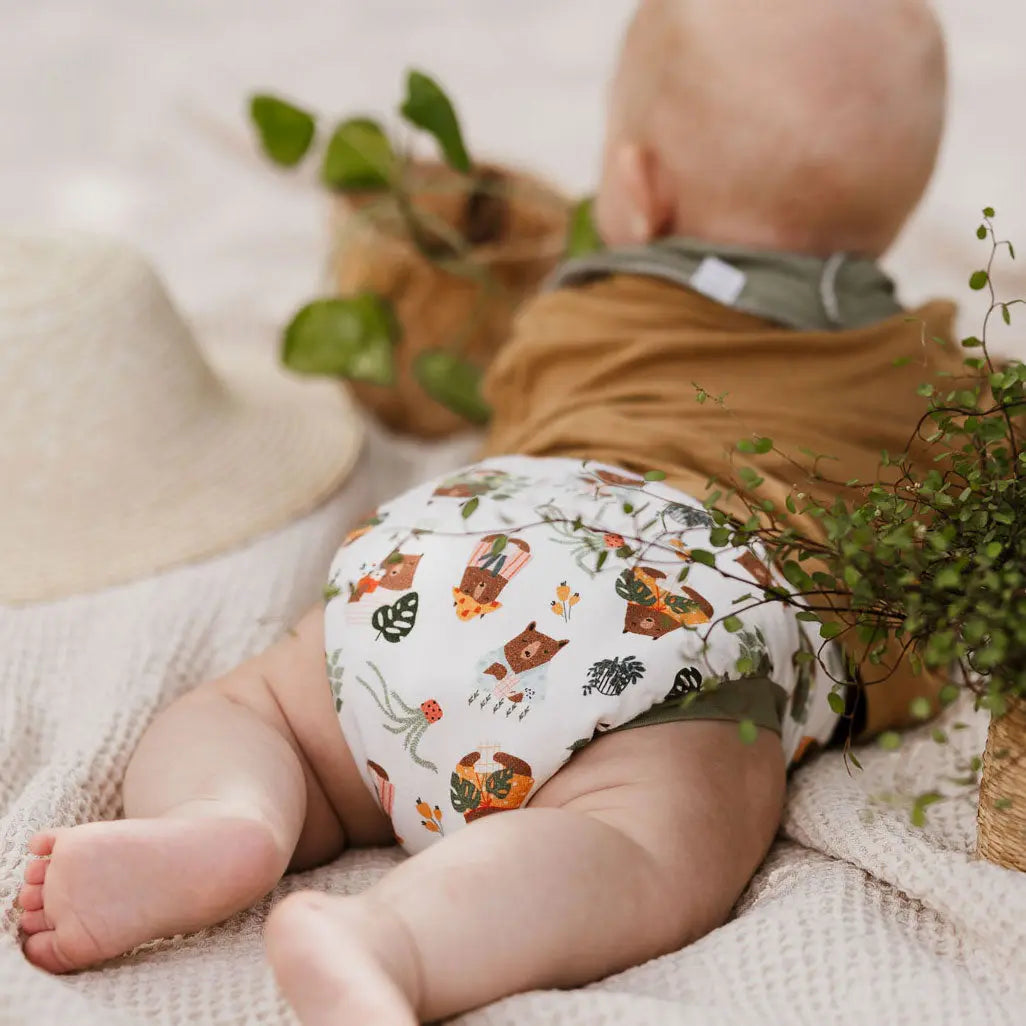
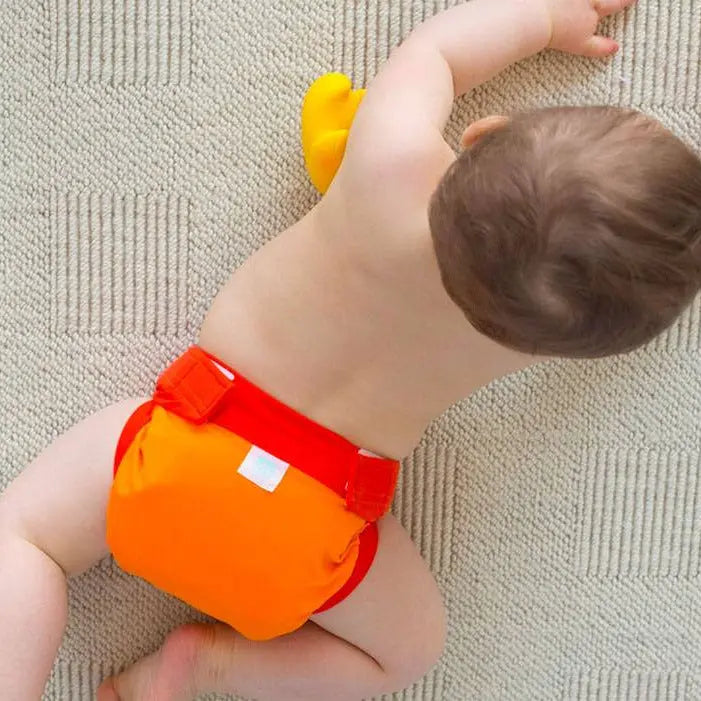
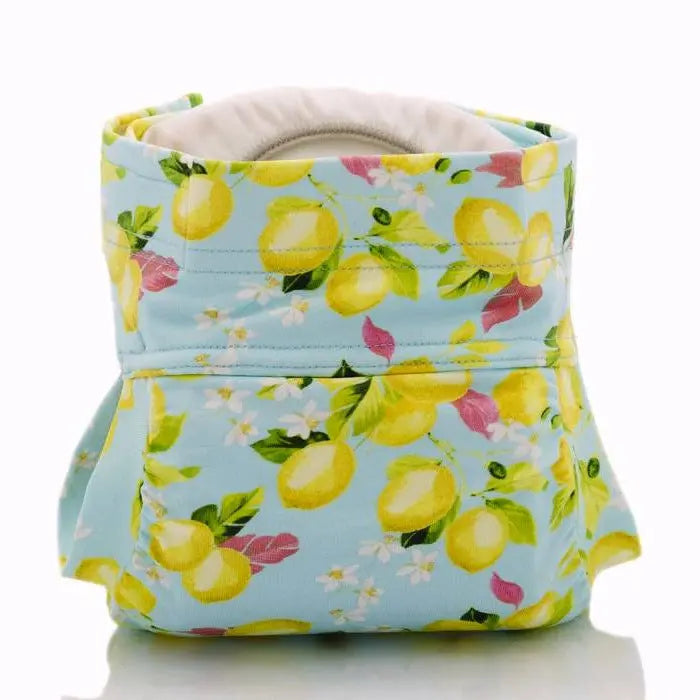
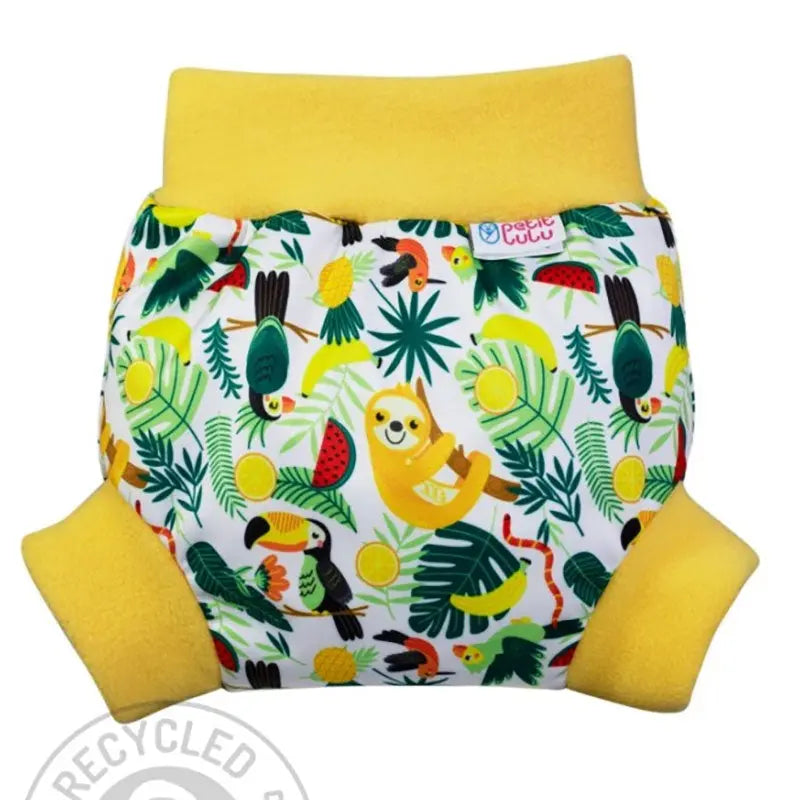
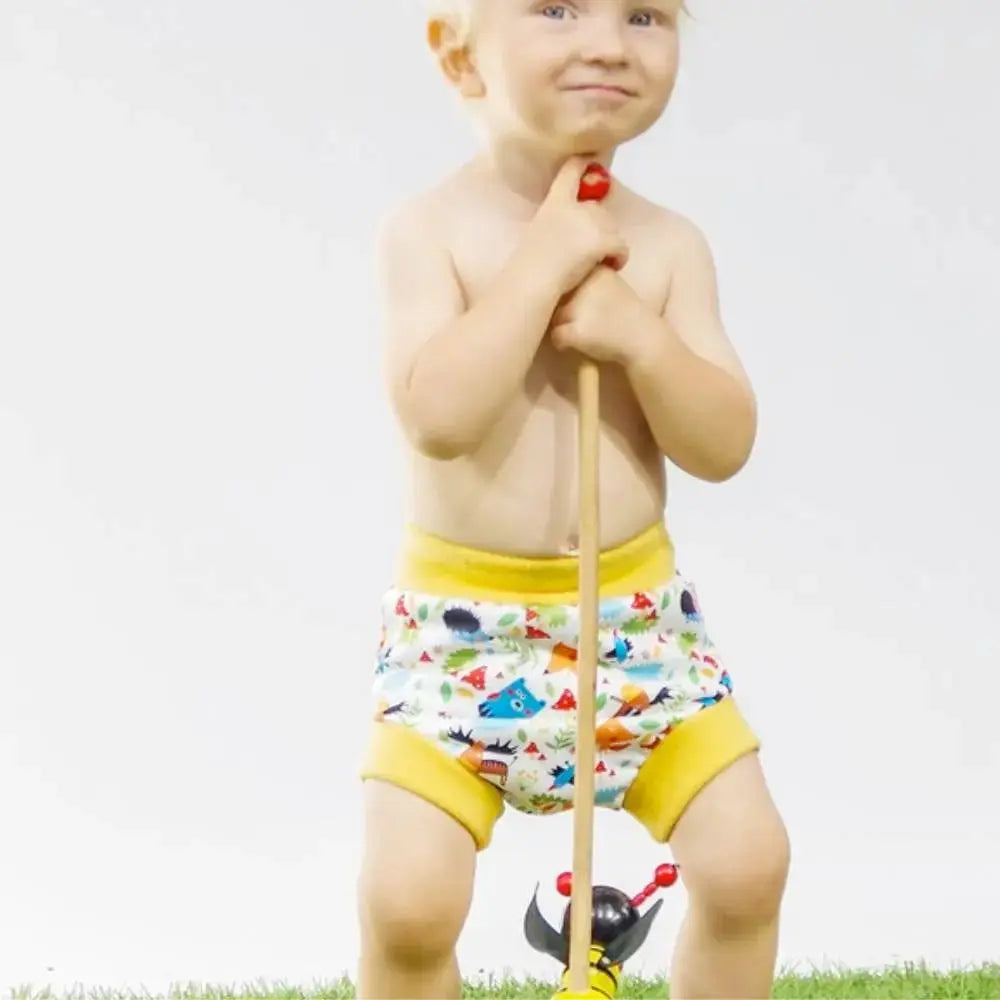
If you use this system day and night and wash every 2 days, we suggest a minimum of 5-6 diaper covers. Often, the covers don't get soiled and can be easily rinsed or reused immediately. Since the cover is what is most often seen on a baby in cloth diapers, some parents choose covers in bright colors and fun prints. Paired with a T-shirt, they make a cute and easy summer outfit.
Snaps or hook-and-loop closure?
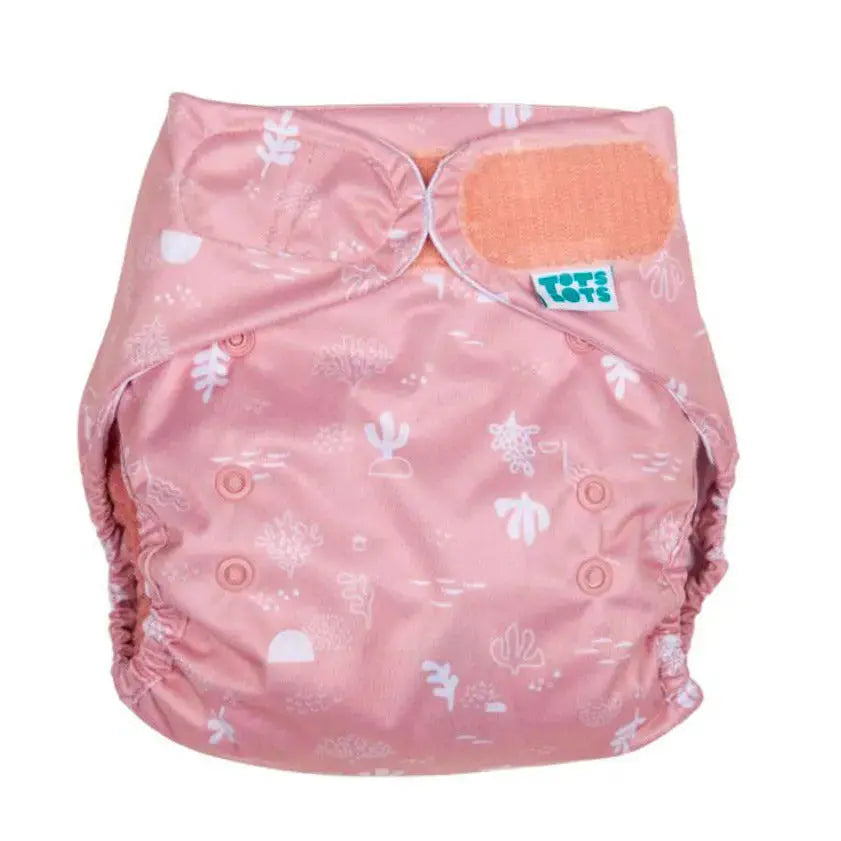
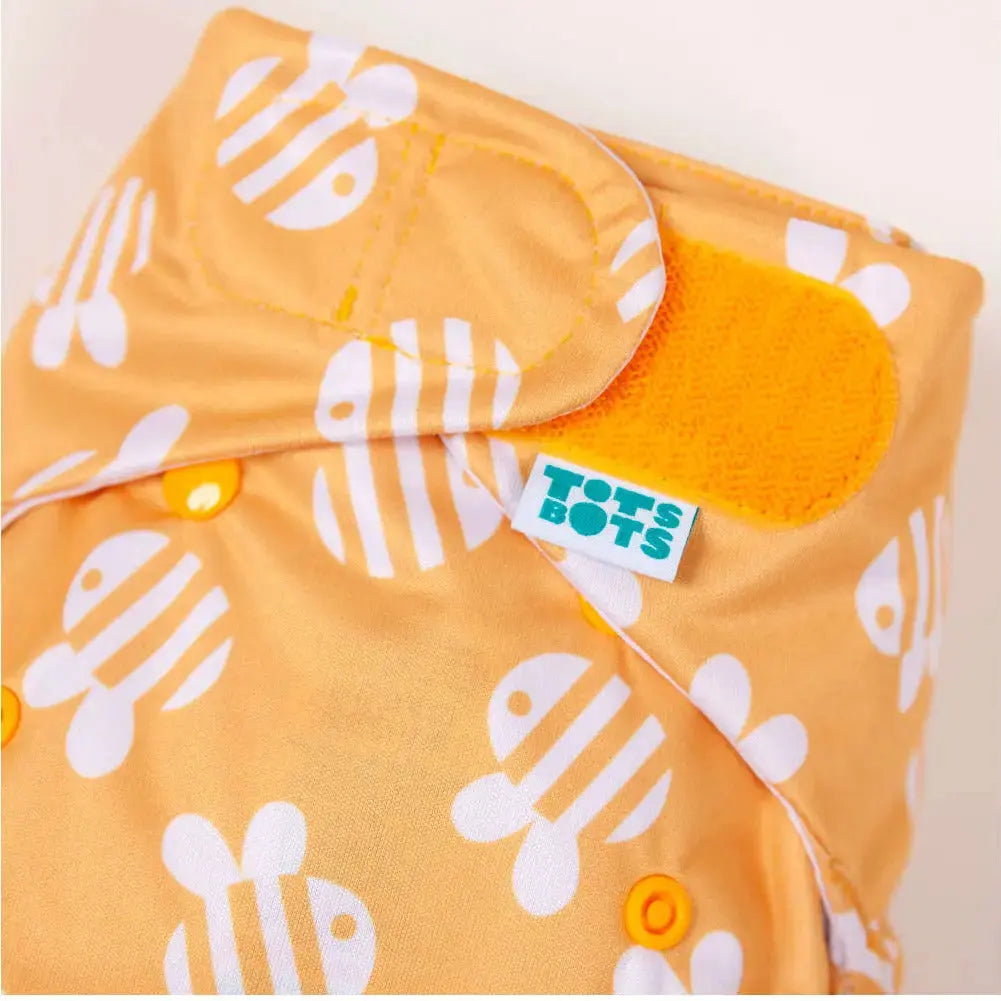
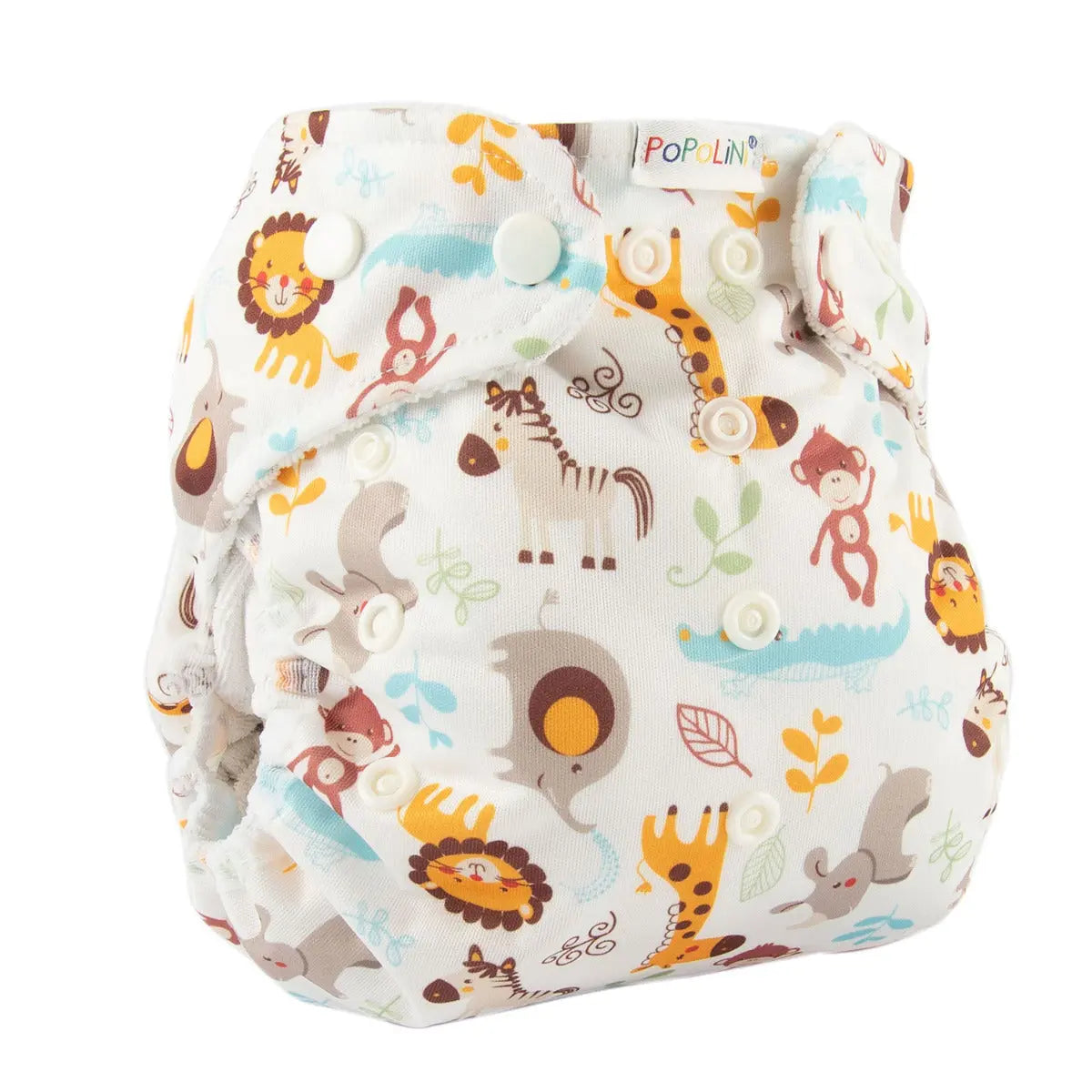
If you plan to use your cloth diapers for several children, snaps are less likely to wear out. Also, older babies will have a harder time removing their diaper when it's secured with snaps.
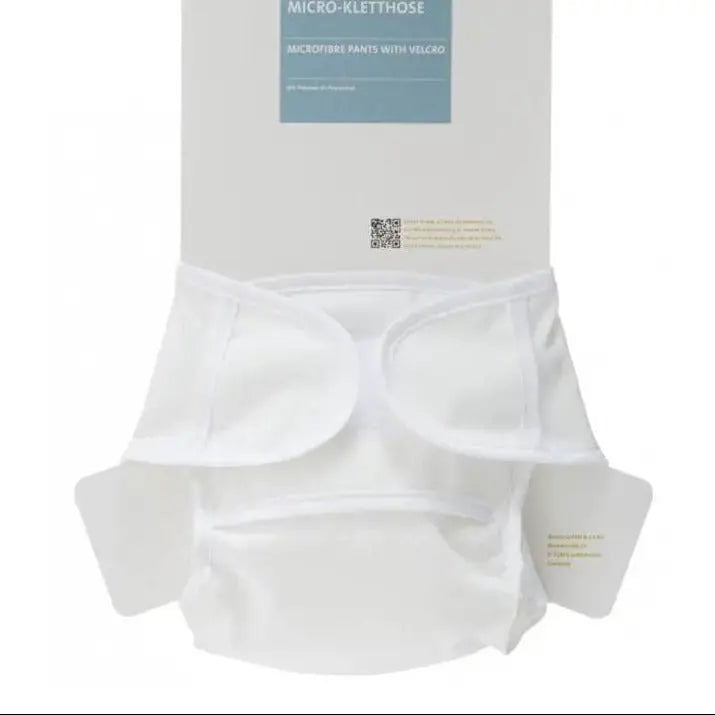
The downside? Due to the spacing of the snaps, it's harder to get as precise a fit as with a hook-and-loop closure. It takes a little more time to properly position the cover on the baby, otherwise there's a risk of leaks.
One-size or multi-size diaper cover?
One-size diaper covers grow with the baby and can be used from approximately 5kg (until potty training). The height adjustment is made using snaps on the front of the cover.
Multi-size diaper covers are used according to your baby's weight (Sizes XS, S, M, L, and XL). As soon as the baby gains weight, you need to move up to the next size.
Multi-size covers tend to last longer because they are used less. They are only used when the baby is within the weight range, whereas a one-size diaper will be used for the entire period the baby wears cloth diapers.
Less overall use = fewer washes and less wear and tear. This is especially important if you intend to use your diapers for more than one baby or if you want to preserve a better resale value on the second-hand market when you no longer need diapers.
Ease of use and a snug fit is another advantage. With no extra bulk and no numerous snaps to manipulate, the multi-size cover is more intuitive to use and not as complicated to fasten.
The advantage of a one-size cover: you buy fewer covers, so you spend less money. This is a significant advantage ;)
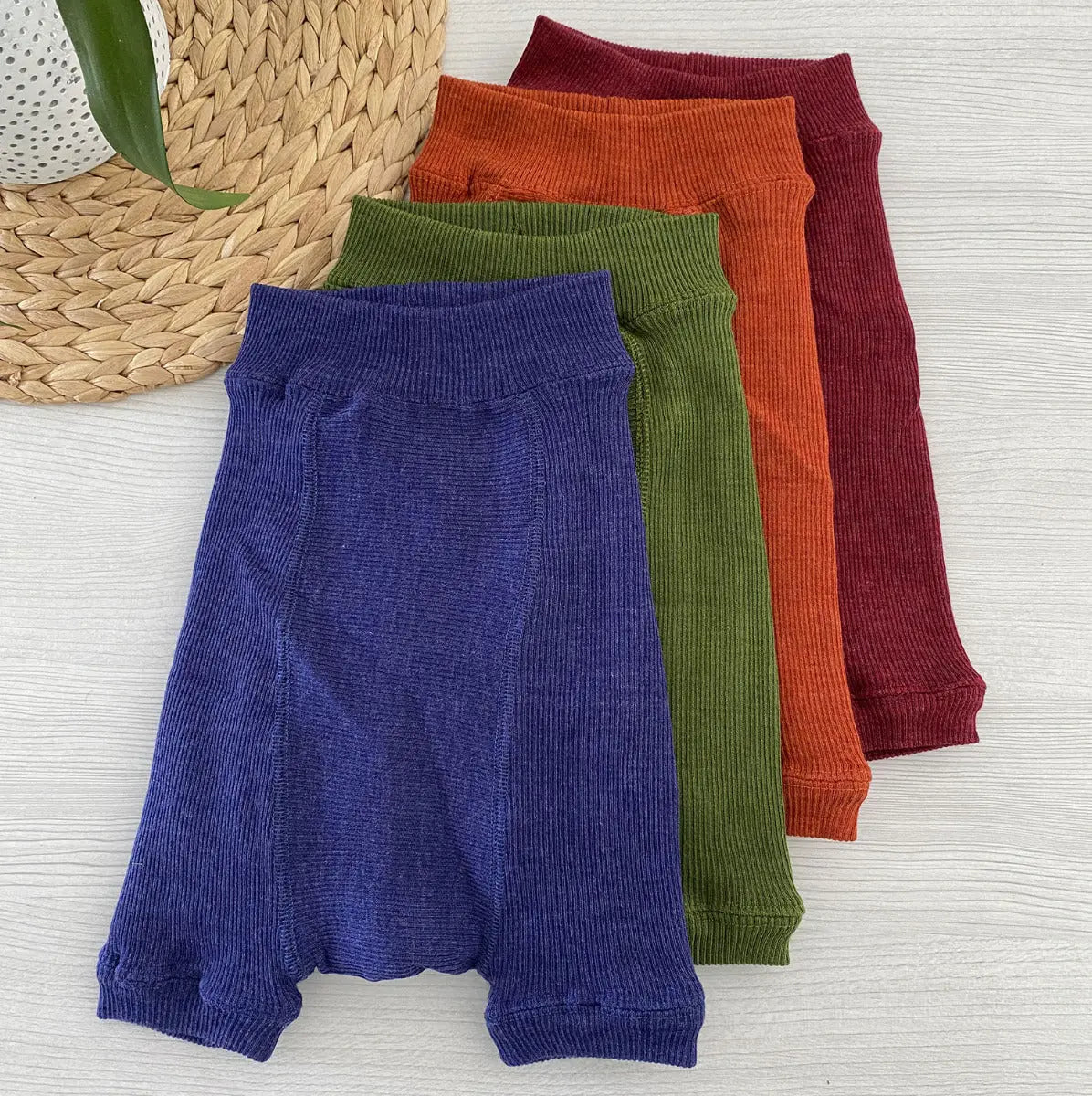
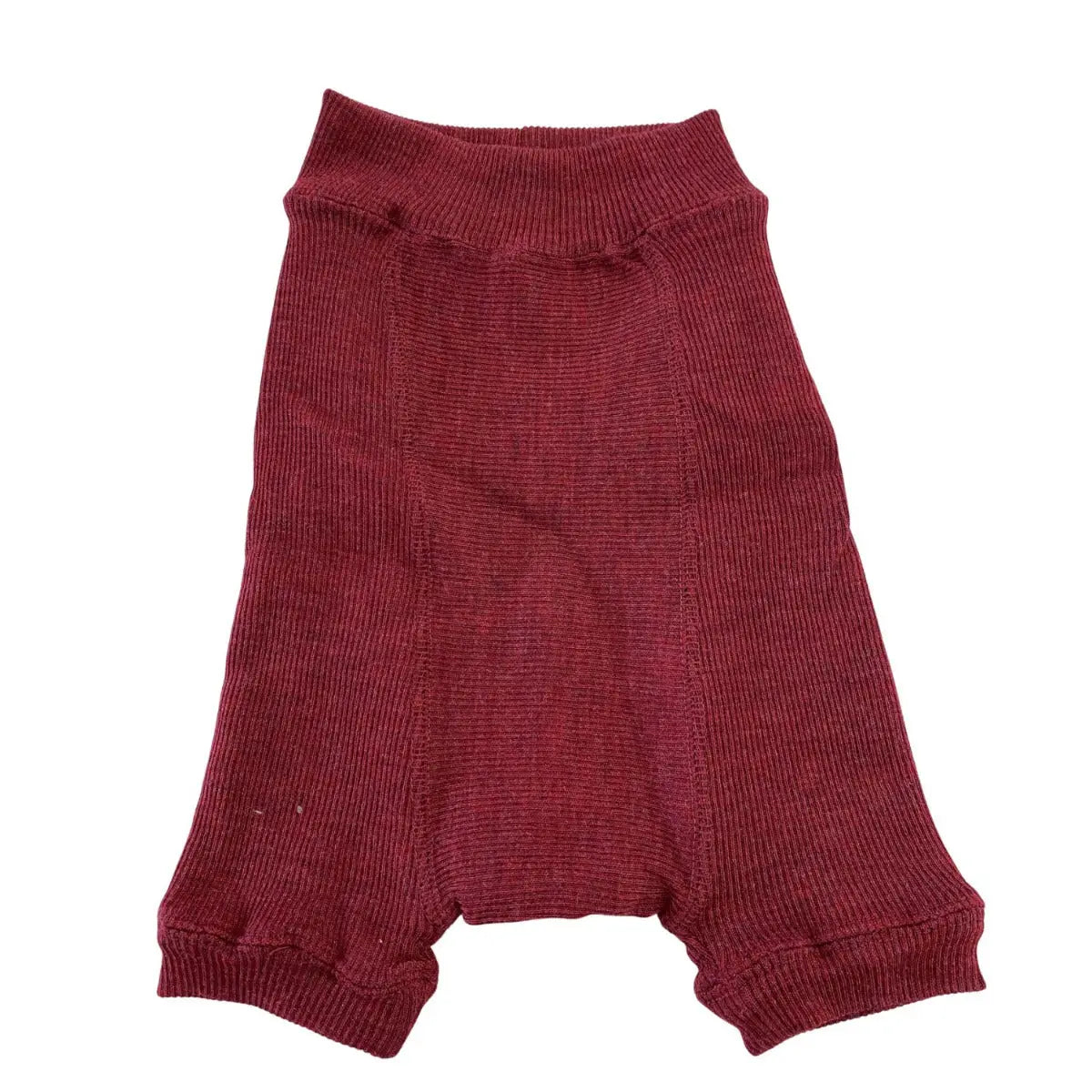
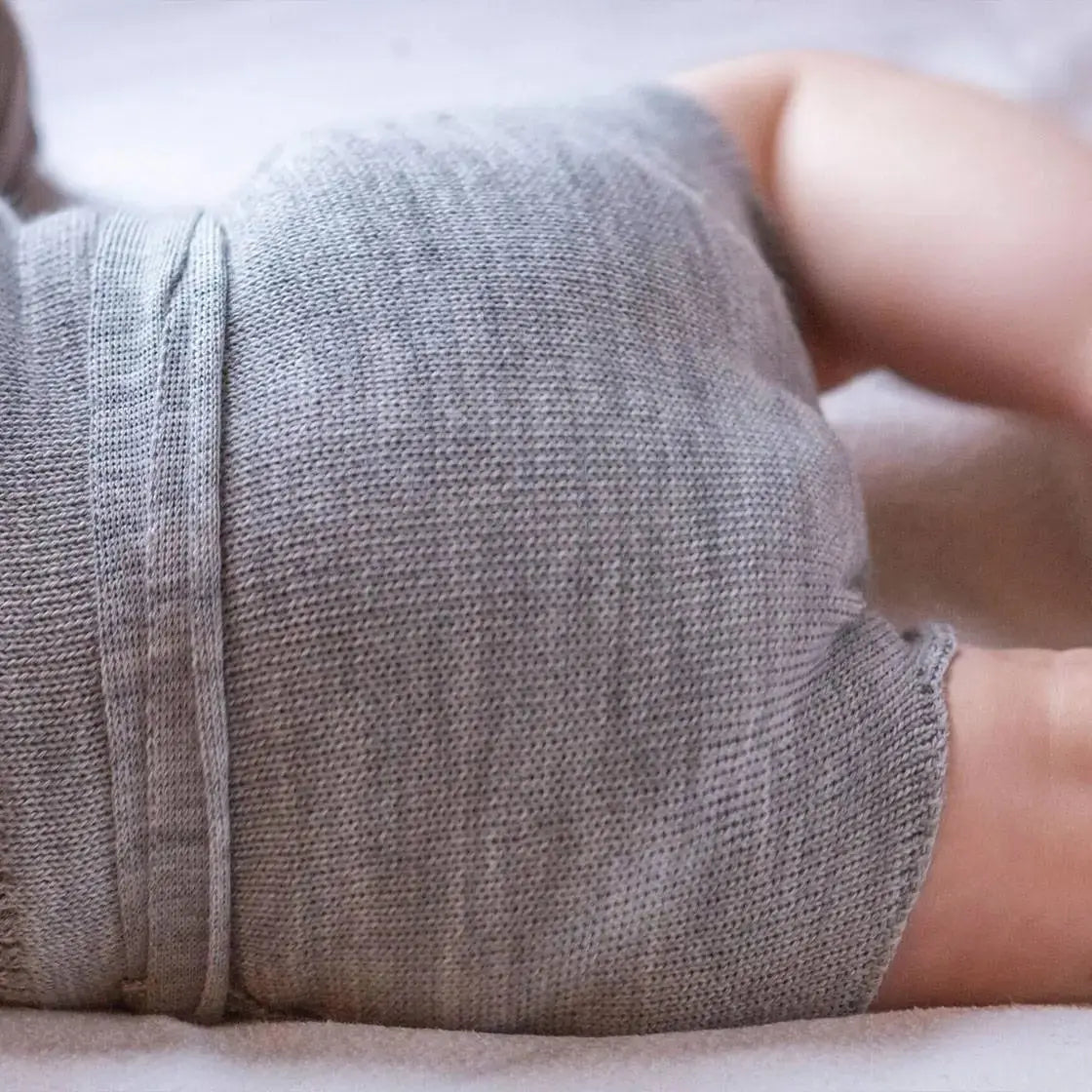
Why choose a wool diaper cover?
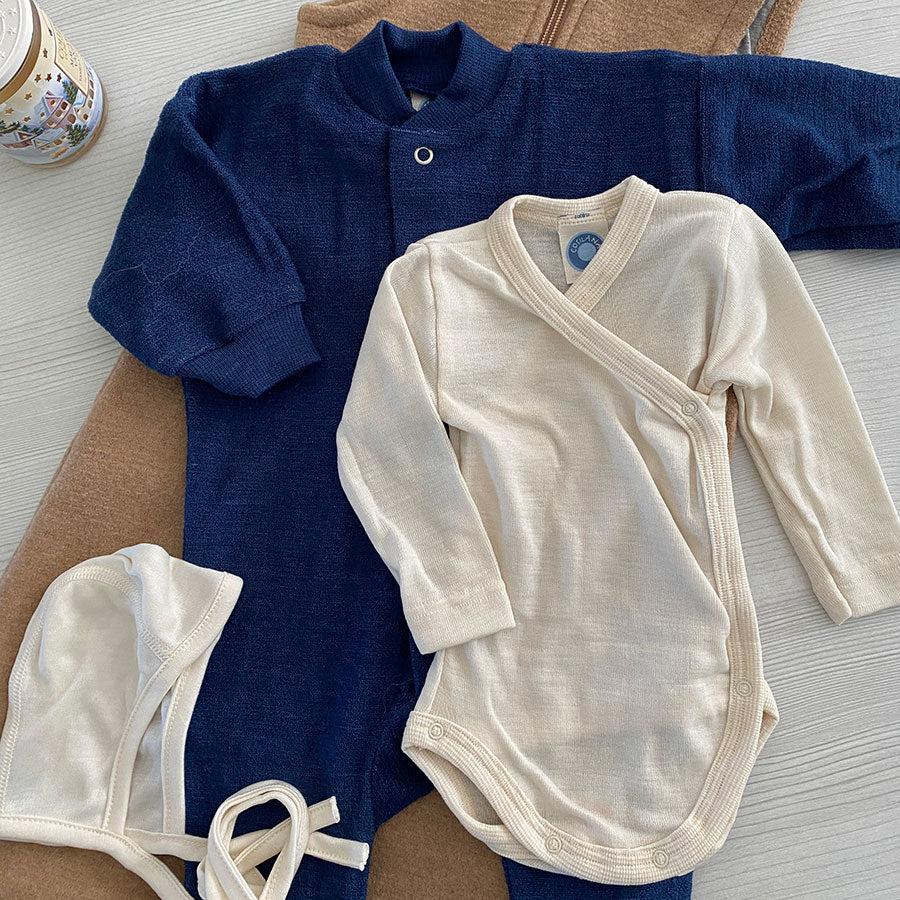
PUL is a very popular fabric used in cloth diapers, but some babies have such fragile skin that they cannot tolerate contact with PUL fabric. For sensitive skin, we recommend using wool covers.
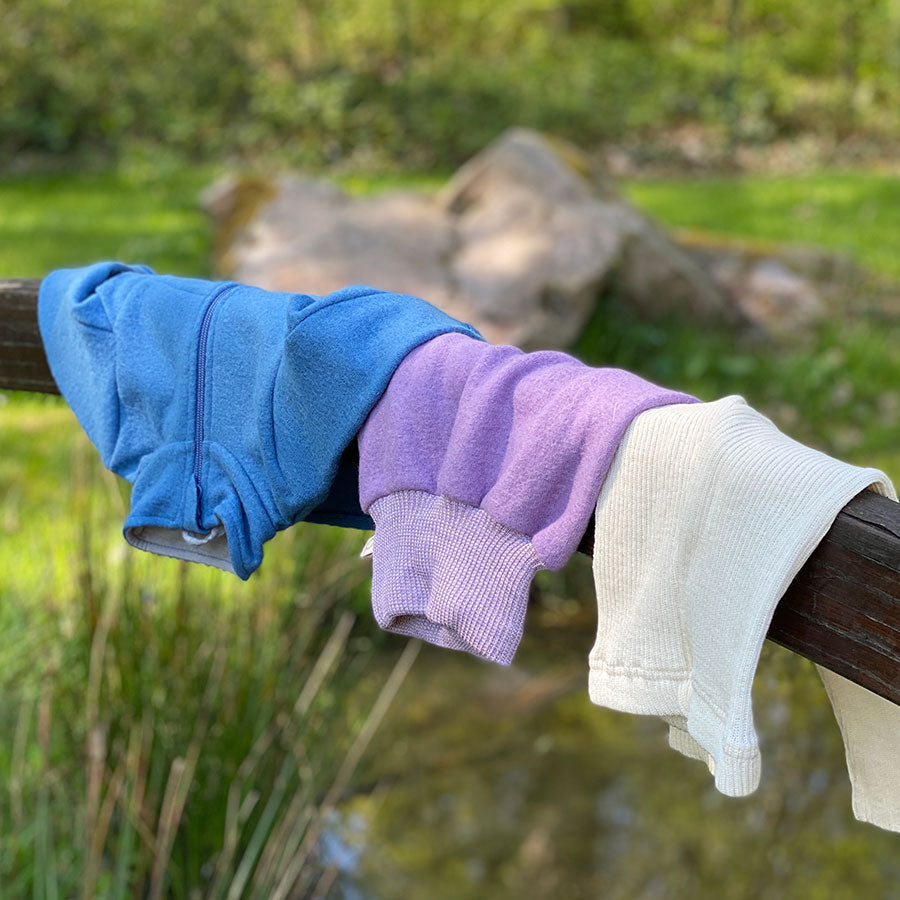
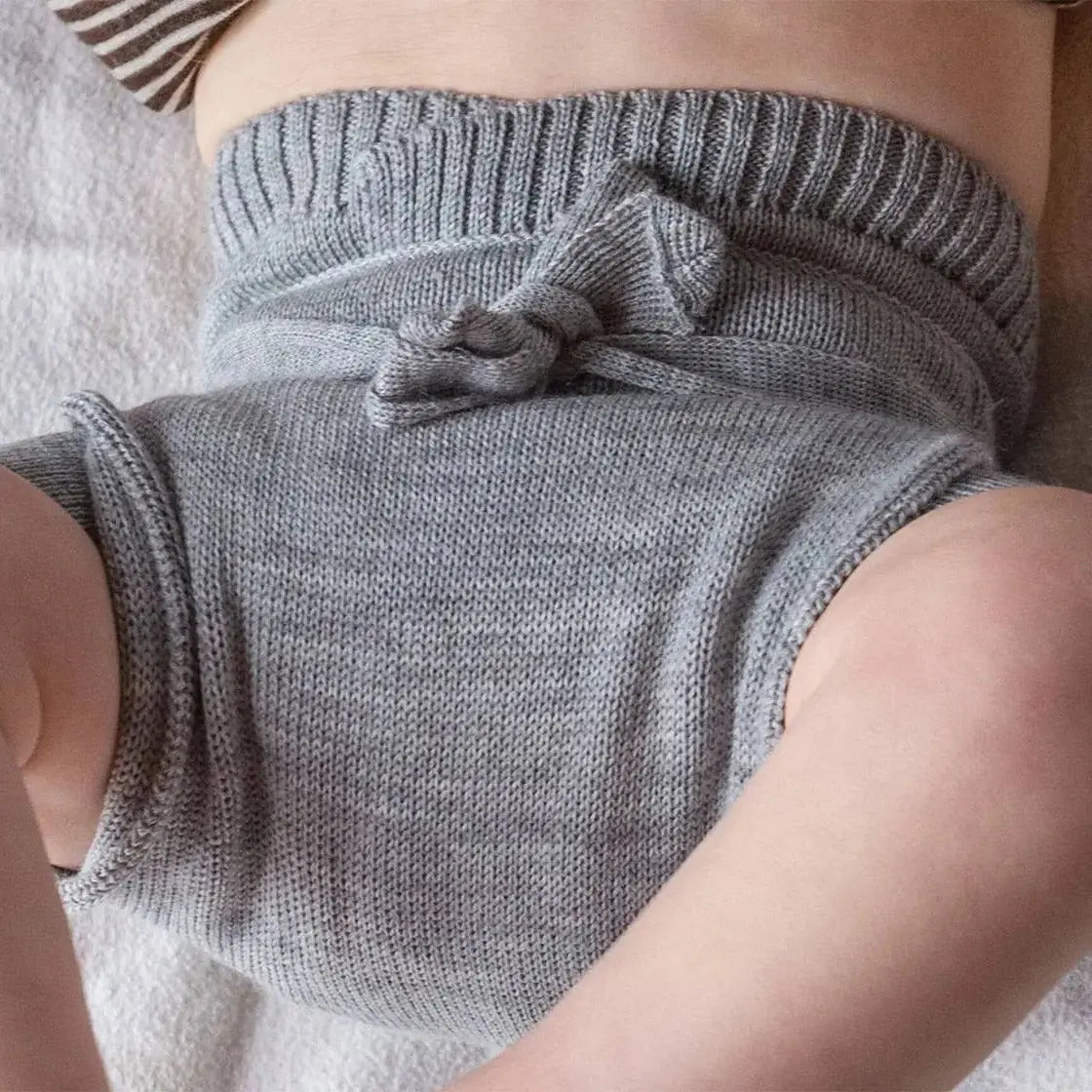
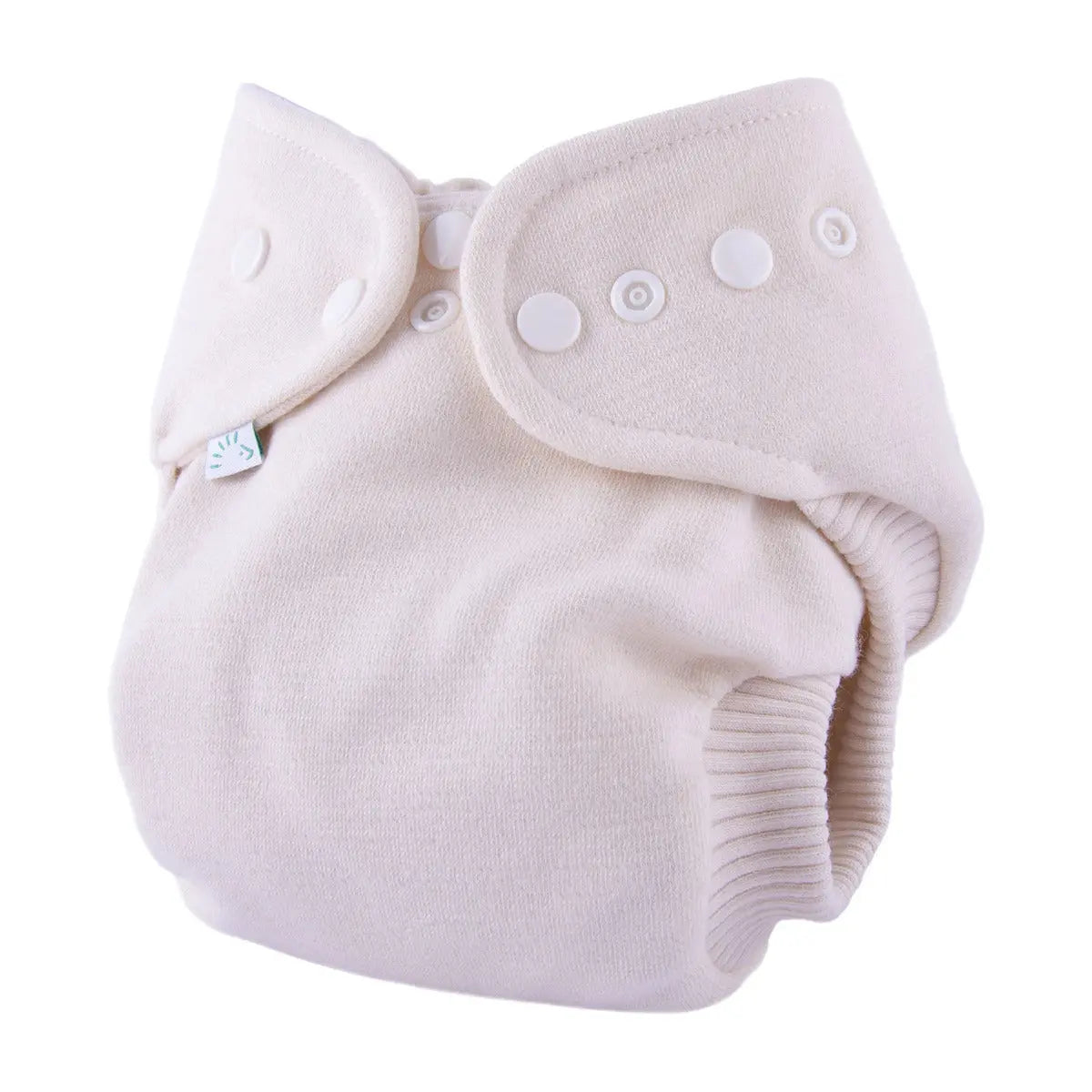
Wool is a natural fiber that breathes and can absorb while being water-resistant. The lanolin in wool makes the cover waterproof while being very breathable.
Wool is also a natural antibacterial, which reduces the risk of rashes or infections in your baby.
Our tips for choosing the right diaper cover
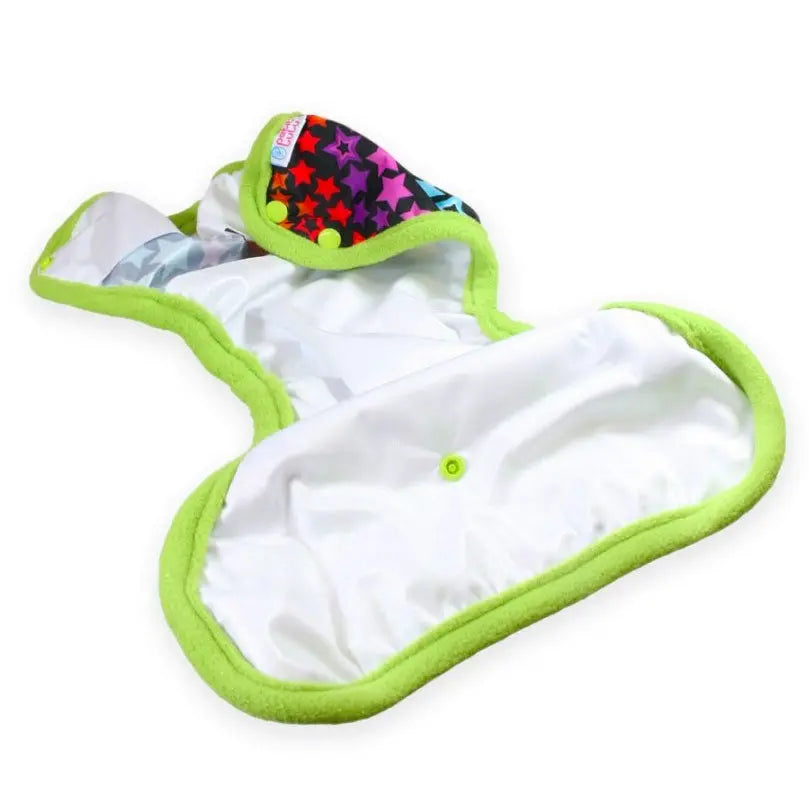
Diaper covers with double gussets help to minimize leaks as much as possible. These are what we recommend for use with prefolds or flat/pre-flat diapers.
The shorty is recommended for babies with sensitive skin: there's no elastic at the thighs, and the edging is usually made of soft fleece.
Are you new to this and need advice on the different cloth diaper systems? Our complete guide will help you choose the cloth diapers best suited to your needs and budget.
Diaper covers - your questions