






A brief history of mulesing
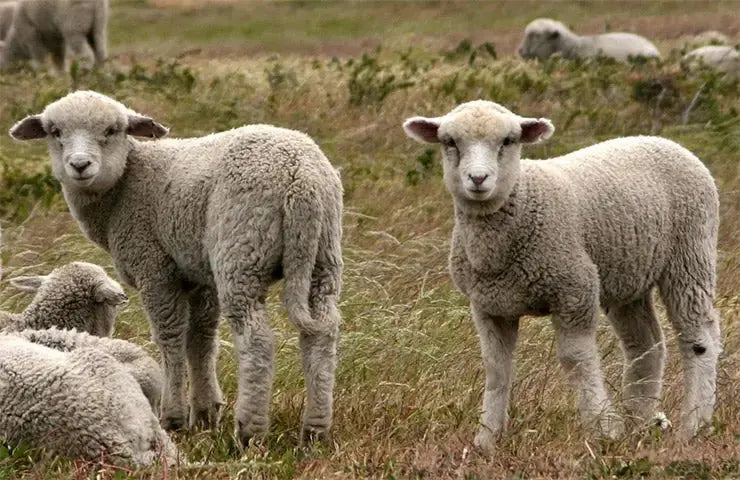
Mulesing is a livestock technique consolidated in Australia in the 1930s, which consists of removing the tail and part of the anal and perianal flesh, particularly from Merino sheep.
Why is mulesing performed on sheep?
It prevents the spread of infections on the animal's back, which is constantly exposed to excrement and moist substances that create the ideal habitat for fly attacks, where they lay their eggs.
These infections, in addition to causing suffering to the animal, force breeders to discard a large quantity of wool, which impacts their income.
To solve this problem and prevent diseases, sheep are directly relieved of a part of their posterior flesh, very often including the tail, often without any type of anesthesia :-(
Mulesing is highly controversial because it causes considerable pain and stress to the animals. Animal rights advocates, as well as several consumers and organizations, criticize this practice, demanding more humane alternatives.
The purpose of this technique is not really to save the animals' lives, but rather to produce as much wool as possible. If the animal survives the trauma of mulesing, an abundant production of clean wool will be ensured throughout its life.
Mulesing is legal in several countries, but it is subject to specific regulations and intense ethical debate.
In Australia, where mulesing is most commonly practiced, the practice is legal. However, there are strict guidelines regarding its application to minimize pain and stress to the animals. Industry codes of practice recommend the use of pain management methods, such as local anesthetics and postoperative analgesics.
What are the alternatives to mulesing?
There are several alternatives to mulesing that aim to prevent fly infestations without resorting to this painful practice.
- Regular application of insecticides and repellents on sheep to deter flies and prevent egg-laying
- Use of antiseptic sprays or baths to reduce the risk of infection and myiasis
- Frequent shearing, particularly around the rear area, to reduce the accumulation of dirty and wet wool that attracts flies
- Improving housing conditions for sheep to reduce their exposure to flies, particularly through better pasture and shelter management
Mulesing could now be avoided, thanks to slower and more precise breeding, less focused on quantity than on product quality.
More and more wool producers are adopting these alternatives to meet the requirements of "mulesing-free" certifications and to respond to consumer and fashion brand demands for more ethical breeding practices.
At LiliNappy, you will only find "mulesing-free" brands: Manymonths, Disana, Cosilana, Hirsch Natur etc...